The Impact of Art on Local Cultural Identity
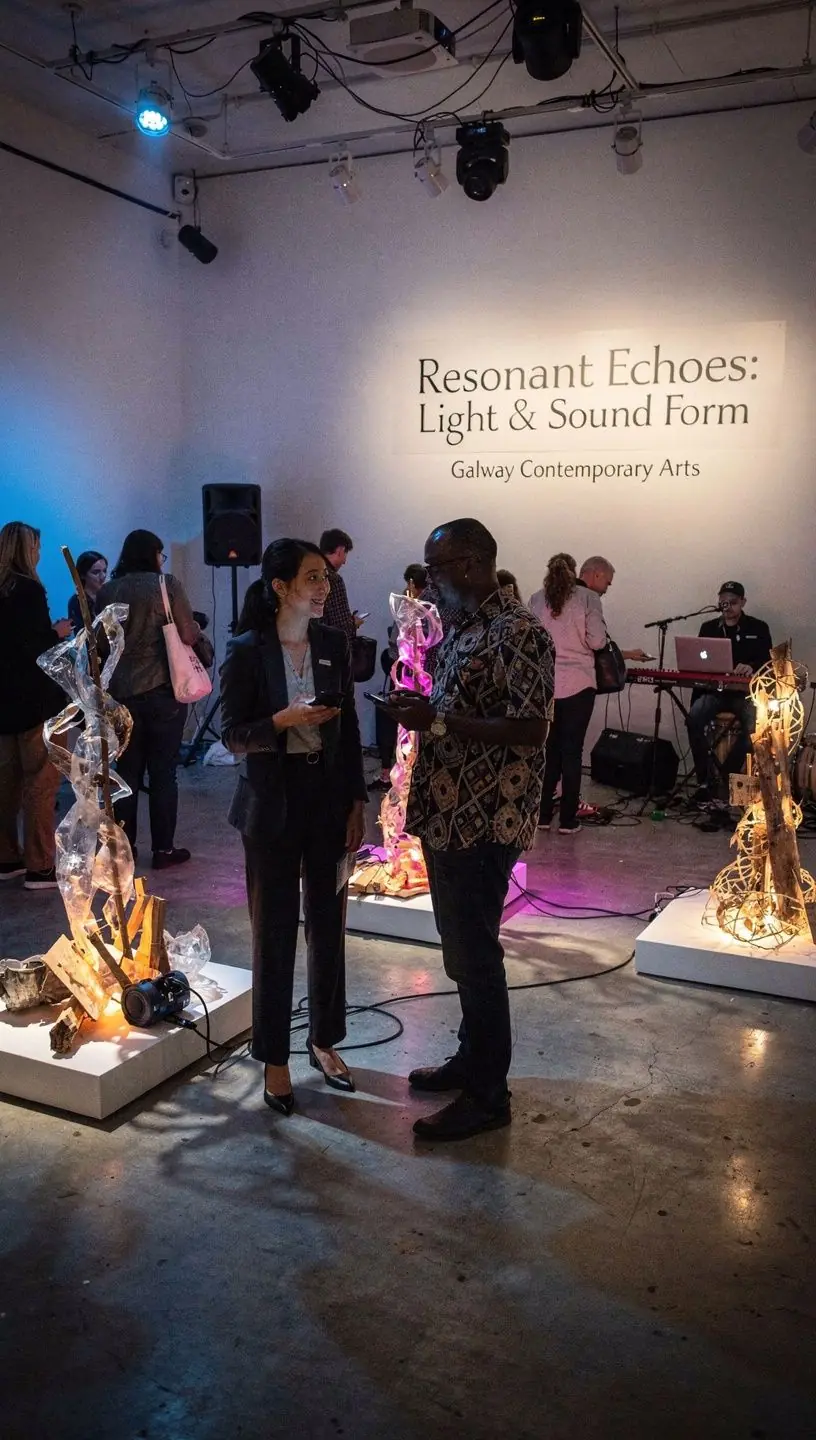
Art plays a crucial role in shaping local cultural identities, reflecting the values, beliefs, and traditions of a community. Understanding this impact can help appreciate the importance of art exhibitions and local artist showcases.
Understanding the Basics
Art is often considered a mirror to society, providing insight into cultural norms and historical contexts. According to research conducted by the National Endowment for the Arts, art can serve as a tool for fostering community engagement and cultural dialogue. By showcasing local artists, galleries can enhance community pride and encourage a deeper appreciation for the unique heritage of the area.
"Art is a language that speaks to the core of our identity; it reflects who we are and where we come from." - Dr. Sarah McCarthy, Cultural Studies Expert
The Role of Art Exhibitions in Cultural Identity
Art exhibitions often serve as platforms for local artists to express their perspectives, contributing to the cultural landscape in several ways:
- Highlighting Local Narratives: Many local artists incorporate personal and communal stories into their work. This representation fosters a sense of belonging and understanding among community members.
- Encouraging Dialogue: Exhibitions create opportunities for discussions around cultural identity, allowing individuals to share their experiences and viewpoints. Research shows that such interactions can enhance community cohesion.
- Promoting Creativity: By supporting local art, communities can encourage creativity in various forms, which research indicates can lead to improved mental well-being and increased civic engagement.
The Benefits of Showcasing Local Artists
Local artist showcases can provide tangible benefits to both the artists and the community. For instance:
- Economic Impact: Local art events can boost the economy by attracting visitors. Studies suggest that art districts can increase local businesses' revenue by approximately 20%.
- Cultural Preservation: Showcasing local artists helps to preserve cultural heritage, ensuring that traditional practices and stories are passed down through generations.
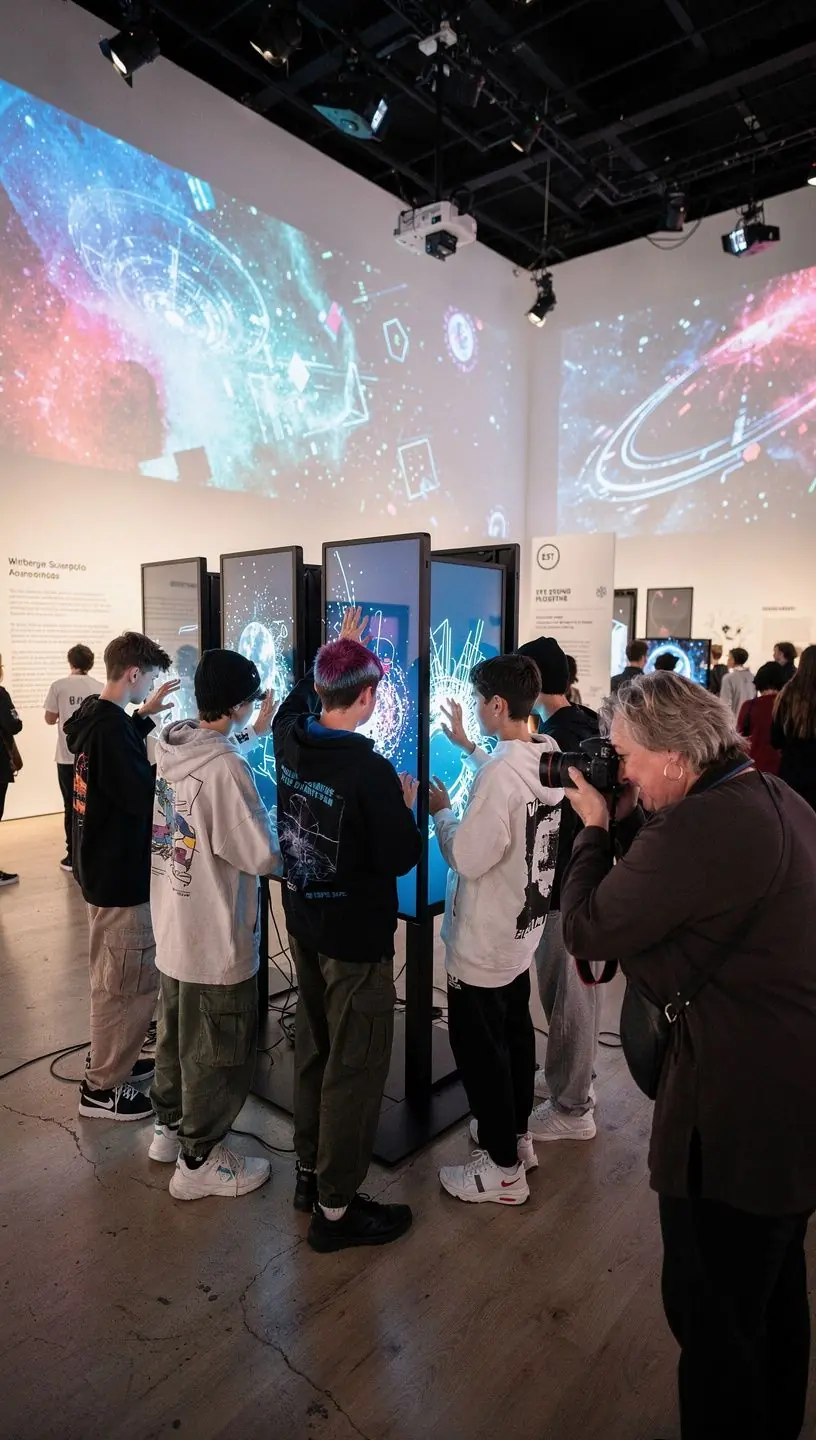
- Educational Opportunities: Many galleries offer workshops and talks, allowing the public to engage with art on a deeper level. Experts recommend that such educational initiatives can enhance public appreciation for the arts.
Challenges and Considerations
While the impact of art on cultural identity is profound, there are challenges to consider:
- Resource Limitations: Many local galleries operate on limited budgets, making it difficult to host large exhibitions or provide extensive support to artists.
- Time Commitment: Engaging in the local art scene often requires time and effort from community members, which may be a barrier for some.
- Accessibility: It's essential to ensure that art exhibitions are accessible to everyone, as cultural identity should reflect the diversity of the community.
Conclusion
The intersection of art and local cultural identity is complex and multifaceted. By understanding the profound impact that art can have on community cohesion and cultural expression, we can appreciate the value of local exhibitions and artist showcases. While challenges exist, the potential benefits of fostering a vibrant local art scene are significant. Communities that invest in their local art not only celebrate their unique identities but also lay the groundwork for future generations to thrive.
Learn More