Understanding the Curatorial Process of Art Shows
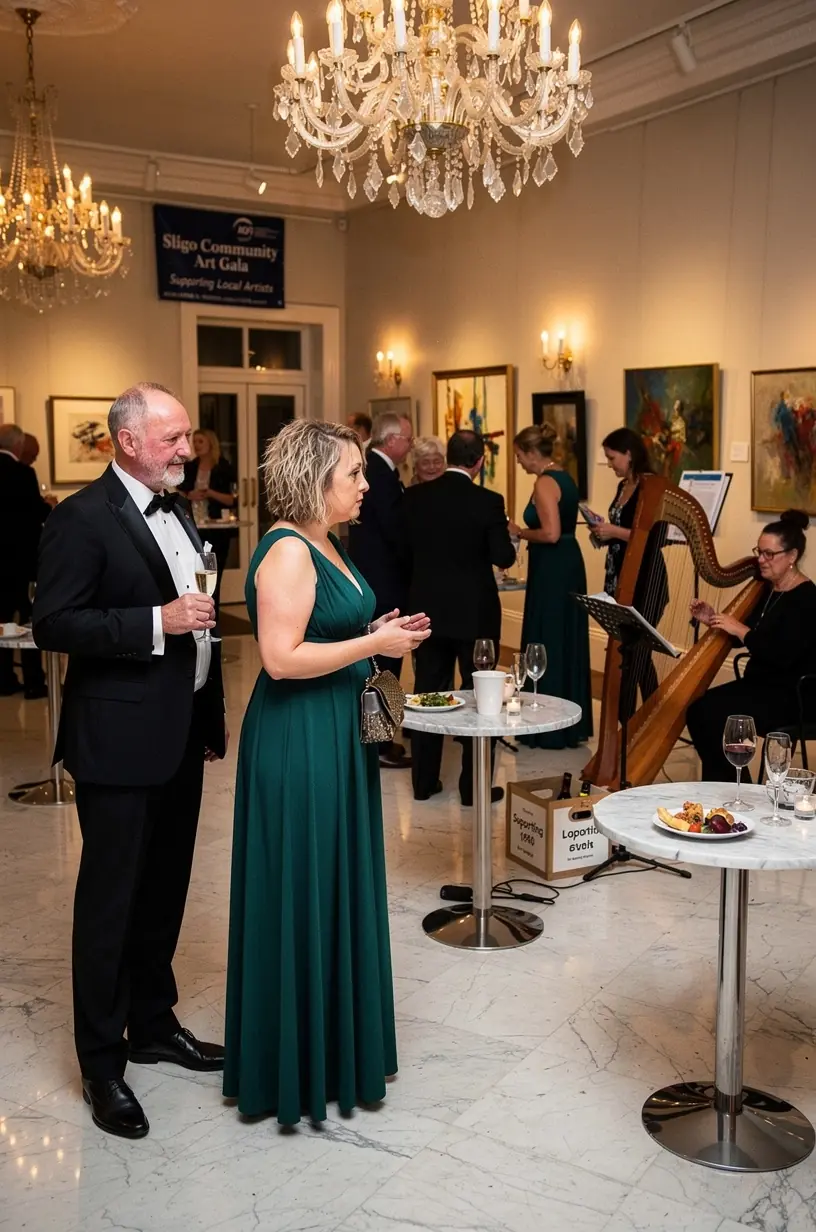
Art exhibitions serve as a focal point for creativity and cultural dialogue, showcasing a wide range of artistic expressions. The curatorial process is essential in shaping these experiences, as it involves careful planning, selection, and presentation of artworks. In this article, we will explore the intricacies of the curatorial process, emphasizing its importance in art exhibitions, particularly in the context of galleries that host rotating shows and local artist showcases in Ireland.
Understanding the Basics of Curating
The curatorial process begins with a conceptual framework, where curators decide on the theme or idea that will guide the exhibition. According to industry experts, this foundational step is crucial because it informs the selection of artworks and creates a cohesive experience for viewers. Many curators often conduct extensive research to identify relevant artists and artworks that align with their chosen theme.
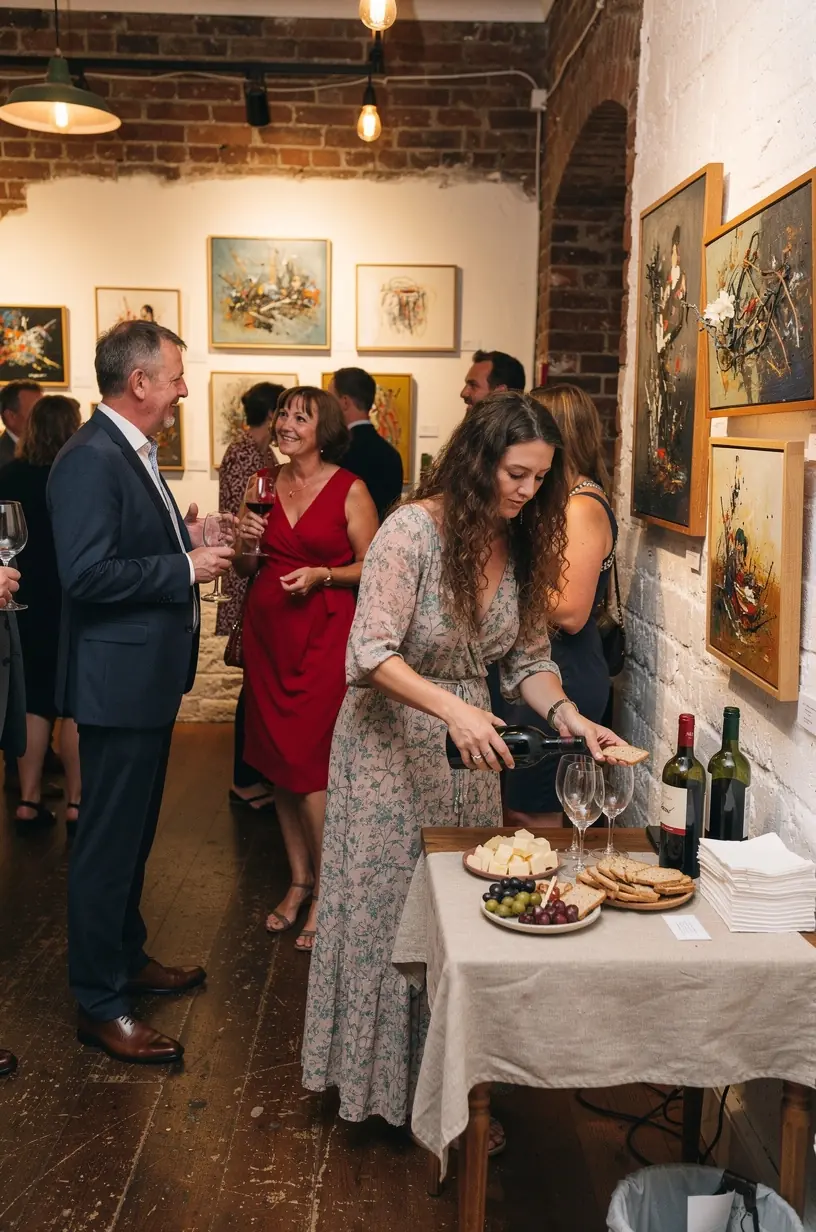
"A well-defined concept can elevate an exhibition, making it not just a collection of artworks, but a narrative that resonates with the audience."
The Selection Process
The selection process typically involves several stages:
- Research and Discovery: Curators often spend considerable time exploring artists' portfolios, past exhibitions, and critical reviews to identify suitable candidates. This process may take several weeks, depending on the scope of the exhibition.
- Artist Engagement: Once potential artists are identified, curators reach out to discuss participation. This may involve meetings to explore the artist's vision and how it fits into the exhibition's theme.
- Artwork Selection: After establishing partnerships, curators select specific works that best represent the theme. Research shows that curators usually consider factors such as the medium, dimensions, and overall impact of each piece.
Logistics and Installation
Logistical planning is another critical aspect of the curatorial process. This phase typically involves:
- Space Planning: Curators assess the exhibition space to determine how to best display the selected artworks. This may involve creating floor plans and considering factors like lighting and viewer flow.
- Installation: The physical installation of the artworks requires meticulous attention to detail, as it significantly influences how viewers perceive the exhibition. Curators often collaborate with installers to ensure that each piece is displayed effectively.
- Documentation: Curators may also prepare exhibition catalogs or information panels that provide context about the artworks and artists, enhancing the educational value of the show.
Final Thoughts on the Curatorial Journey
The curatorial process is both an art and a science, requiring a delicate balance between creativity and organization. It typically involves a significant time commitment and collaboration with artists, gallery staff, and sometimes the public. As curators take on this multifaceted role, their work not only showcases art but also fosters community engagement and cultural dialogue.
In conclusion, understanding the curatorial process can deepen one's appreciation for art exhibitions. These carefully curated shows often reflect the passion and dedication of those behind the scenes, inviting viewers to experience art in meaningful ways. While the process can be complex and time-consuming, the outcomes can create impactful narratives that resonate with the audience, making it a worthwhile endeavor.
Learn More