How to Organize a Successful Artist Showcase
Organizing an artist showcase can be an enriching experience for both artists and audiences. However, achieving a successful event requires careful planning and execution. This article provides practical insights and best practices for hosting a memorable showcase that highlights local talent.
Understanding the Basics of a Showcase
According to industry experts, an artist showcase is a platform that allows artists to present their work in a way that is engaging and accessible to a wider audience. These events can vary in scale and format, but they typically involve the display of visual art, live performances, or multimedia installations. Implementing a well-structured approach can significantly enhance the experience for both participants and attendees.
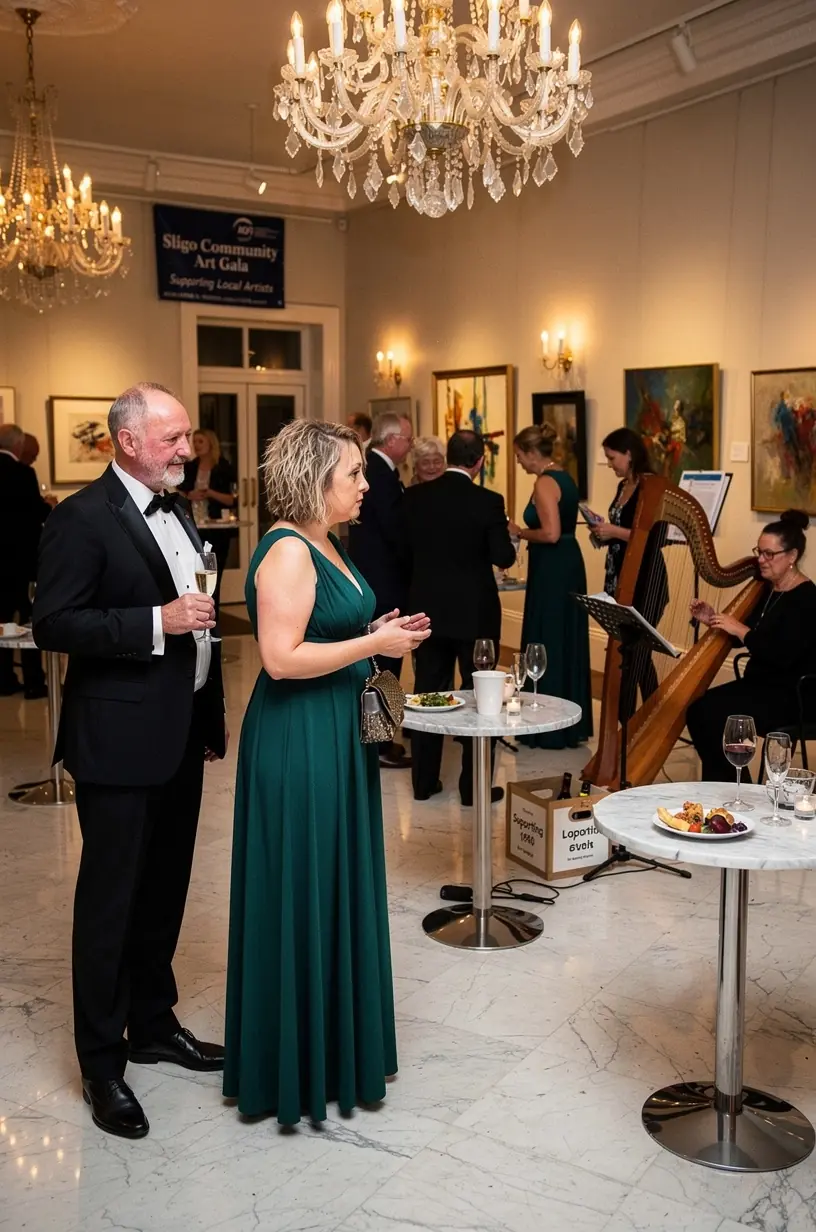
"A well-organized showcase not only highlights the work of artists but also fosters community engagement and appreciation for local talent."
Key Steps to Organize a Successful Showcase
- Define Your Objectives: Clearly establishing the goals of your showcase is essential. Whether it’s to promote local artists, sell artwork, or create community engagement, having a focused objective will guide your planning process. Research indicates that defining clear goals can lead to better outcomes and attendee satisfaction.
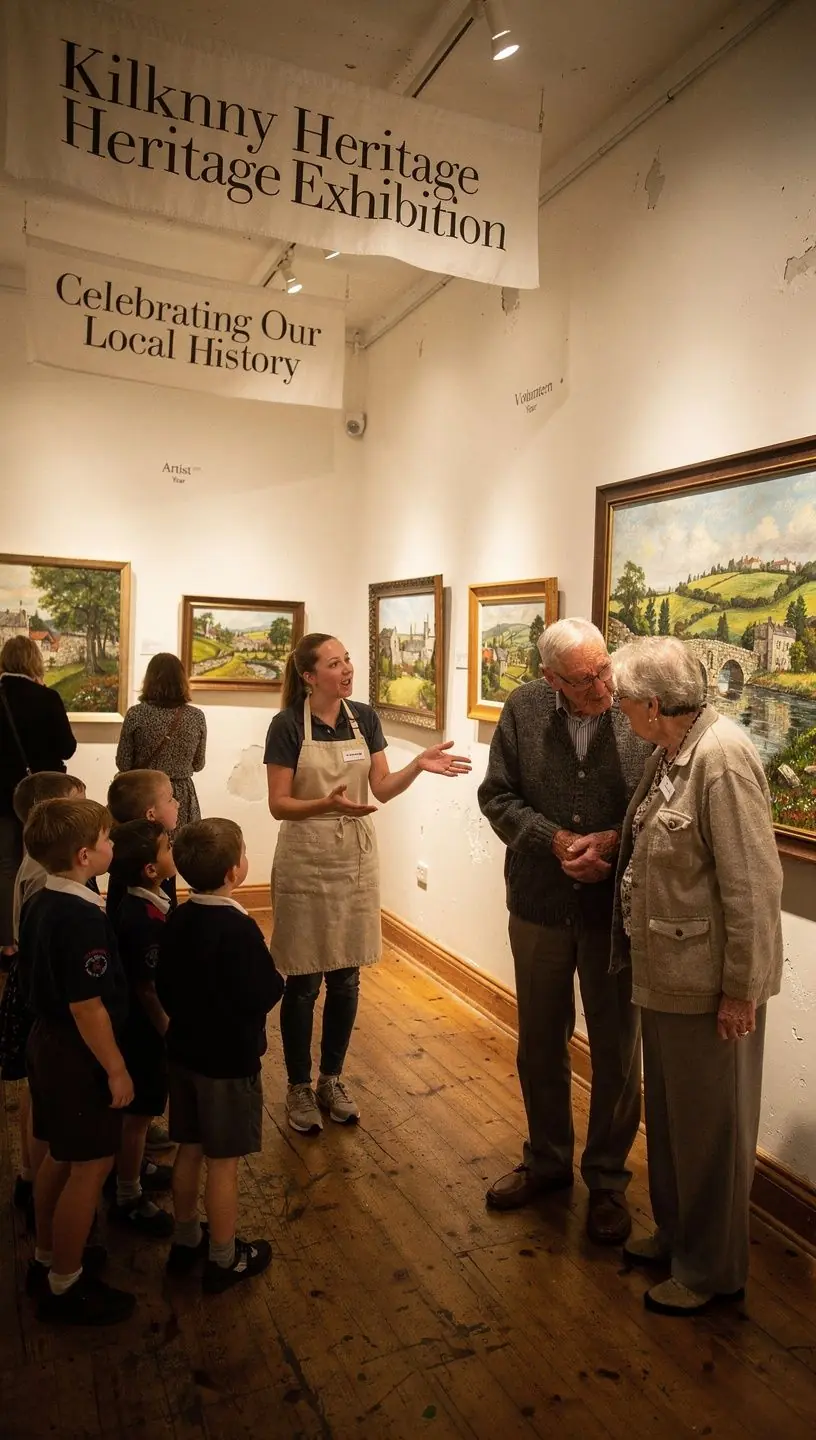
- Choose the Right Venue: Selecting a venue that matches the theme and scale of your showcase is crucial. Many organizers find that smaller, intimate spaces allow for more interactive experiences with artists. Experts recommend evaluating venues based on accessibility, capacity, and ambiance to ensure they align with your objectives.
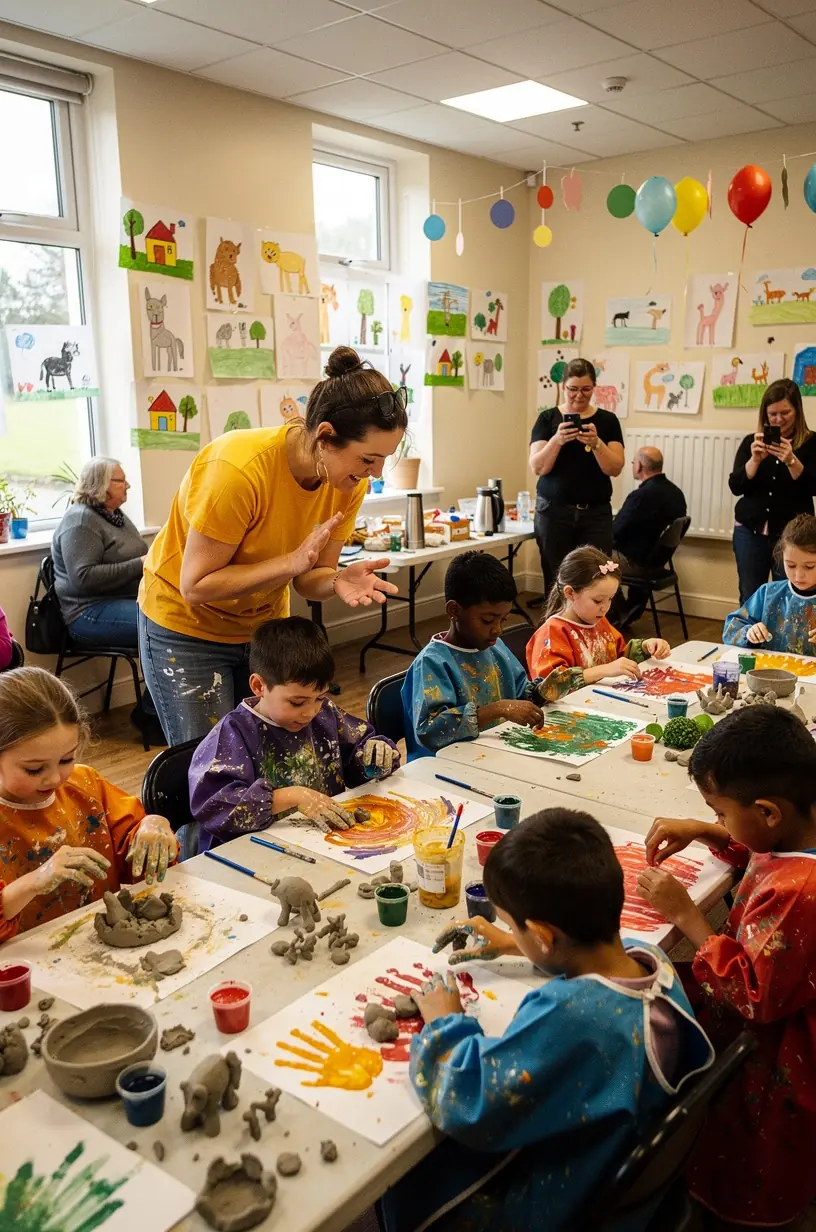
- Curate Your Artists Wisely: The artists you choose to feature should resonate with your audience and reflect the theme of your showcase. Studies show that artist diversity can enhance the overall experience by appealing to a broader audience. Reach out to local art schools, galleries, or community groups to discover emerging talent.
- Promote Effectively: Utilizing social media, community boards, and local press can amplify your event's visibility. In most cases, a well-rounded promotional strategy that combines online and offline tactics is effective in attracting a diverse audience. Engaging content, such as artist interviews or behind-the-scenes previews, can generate excitement.
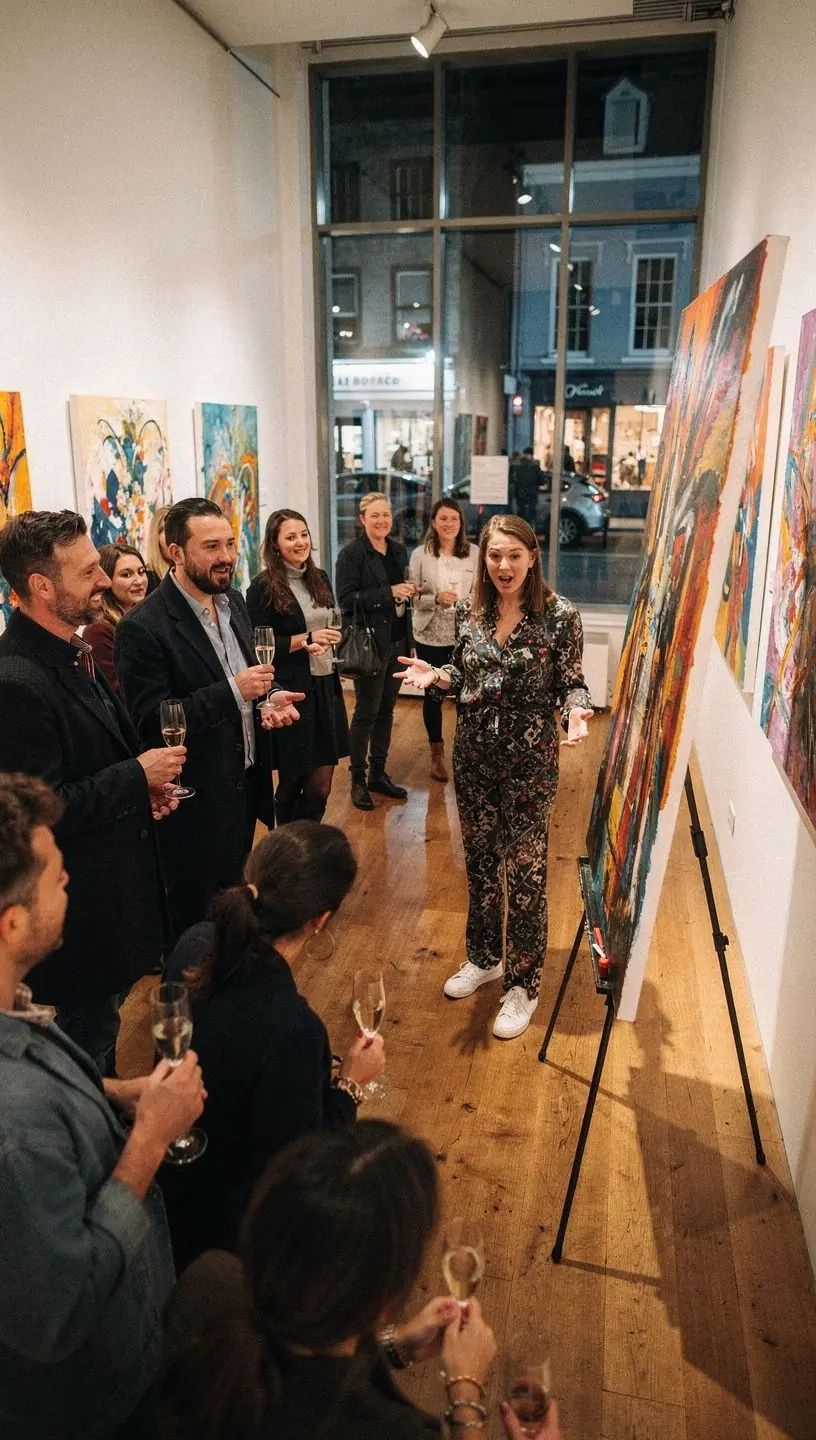
- Engage Your Audience: Interactive elements, such as artist Q&A sessions or live demonstrations, can enhance audience engagement. Research suggests that active participation increases retention and appreciation for the artwork presented, making the experience more memorable.
Acknowledging Limitations
While organizing an artist showcase can be fulfilling, it often involves significant time and effort. Planning typically takes 4-6 weeks, particularly if you are coordinating with multiple artists or venues. It's important to communicate with all involved parties throughout the process to manage expectations effectively.
Additionally, securing funding or sponsorship may require prior knowledge of grant-writing or fundraising techniques, which can be a learning curve for many organizers.
Conclusion
In summary, organizing a successful artist showcase involves careful planning, clear objectives, and effective promotion. By following these practices and acknowledging the limitations that accompany such events, you can create a memorable experience that showcases local talent and fosters community engagement. Remember, the goal is not just to display art but to build connections and celebrate creativity within your community.
Learn More