Understanding Different Types of Art Exhibitions
Art exhibitions serve as a platform for artists to showcase their work and for audiences to engage with diverse artistic expressions. In Ireland, galleries often host a variety of exhibition types that cater to local talents and broader themes. This article explores the different types of art exhibitions, providing insights on their purpose, structure, and what visitors can expect.
The Foundation of Art Exhibitions
At their core, art exhibitions aim to present artistic works to the public, often accompanied by educational elements. According to research from the Arts Council of Ireland, exhibitions play a crucial role in promoting cultural engagement and community development. This is evident in the way galleries curate shows that reflect both local and international trends.
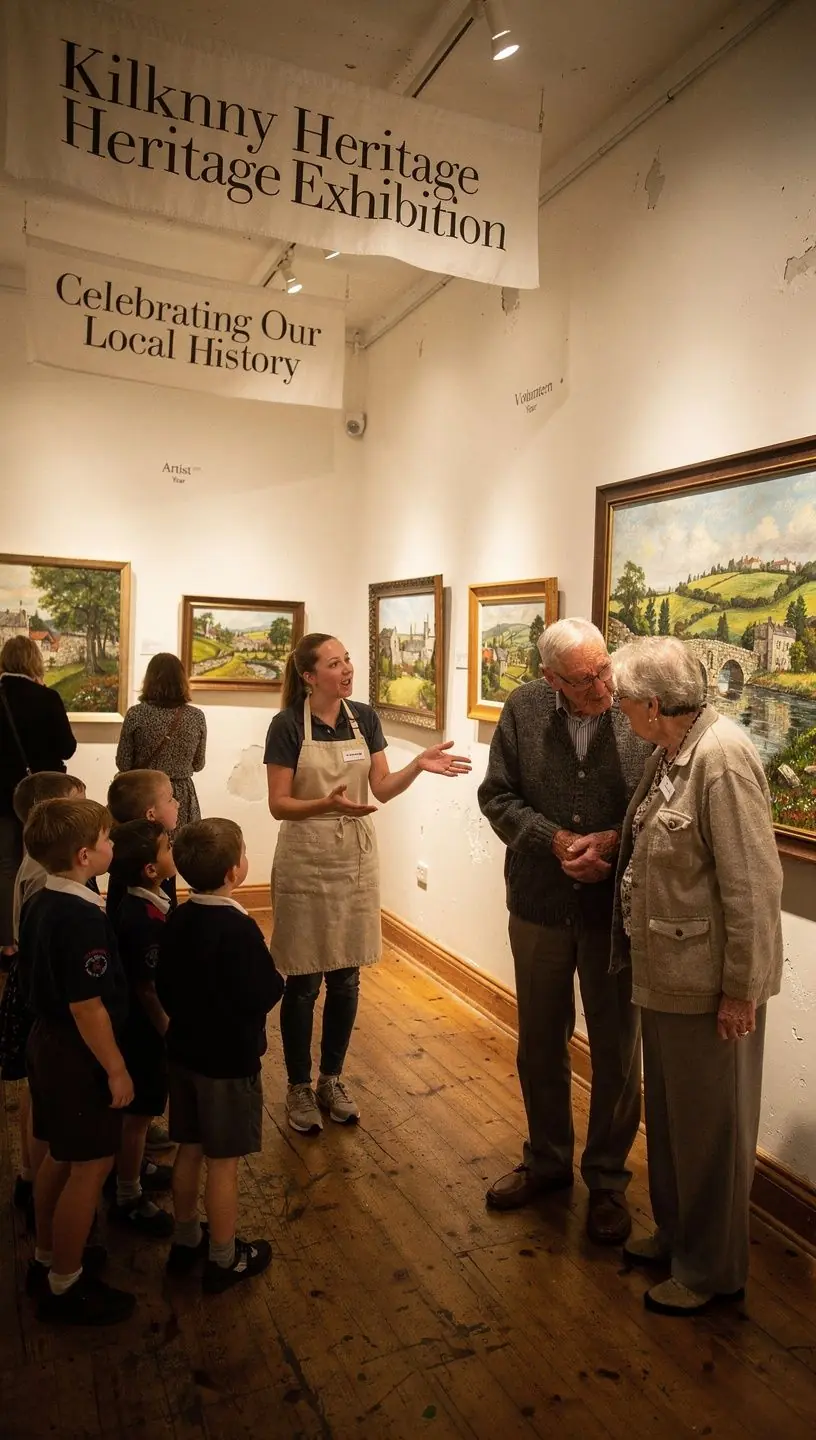
"Art exhibitions not only showcase art but also create a dialogue between artists and the community."
Types of Art Exhibitions
1. Solo Exhibitions
Solo exhibitions focus on the work of a single artist, allowing for a deeper exploration of their themes and techniques. This type of exhibition often gives artists the opportunity to present a cohesive body of work, which can be particularly impactful in conveying their artistic vision. Experts recommend that artists use solo shows as a way to build their portfolio and reputation.
2. Group Exhibitions
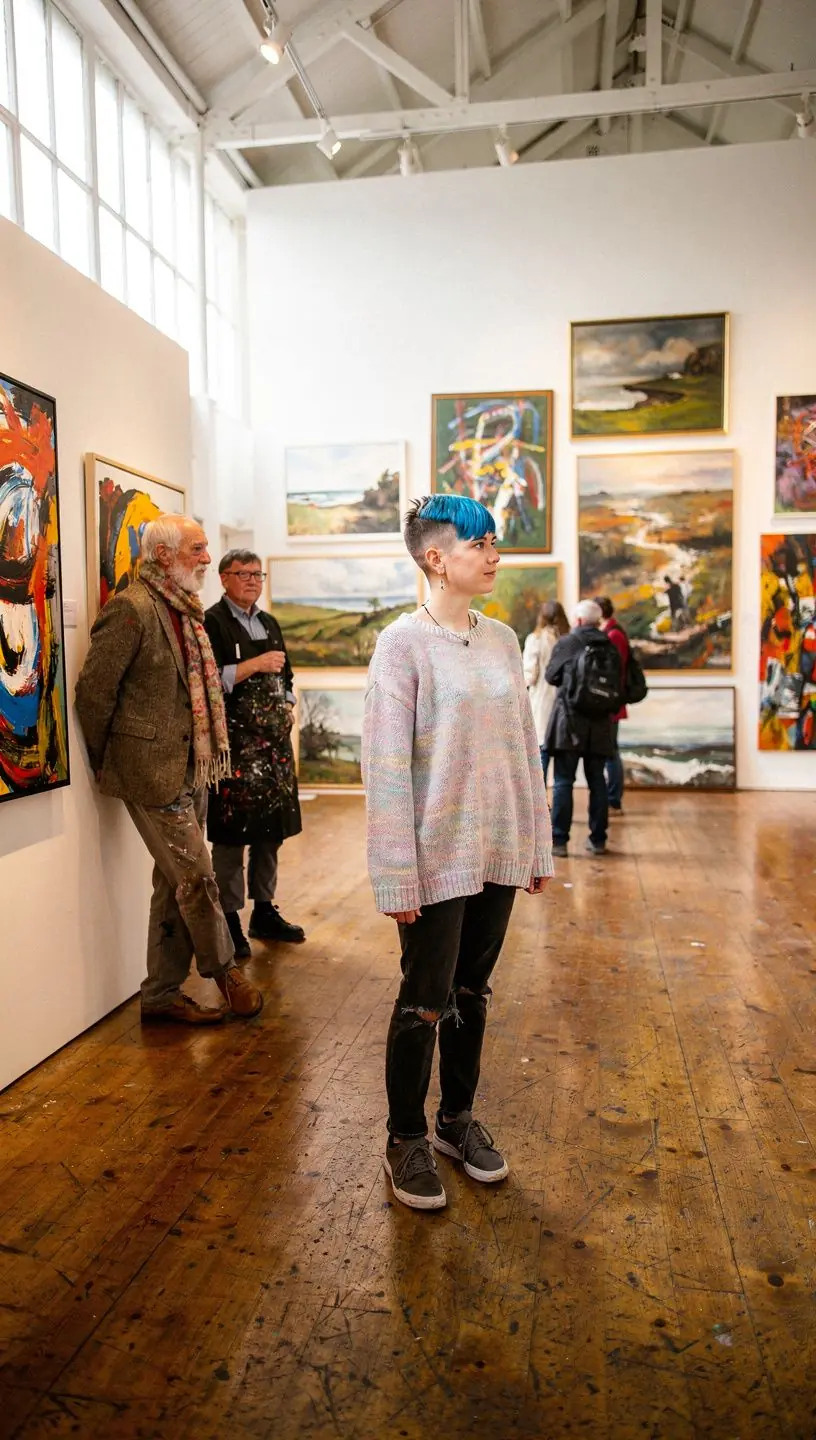
Group exhibitions involve multiple artists and are typically organized around a central theme, medium, or concept. These exhibitions foster collaboration and allow viewers to compare and contrast various artistic styles. Many galleries in Ireland frequently host group shows to highlight local talent and promote community engagement.
3. Thematic Exhibitions
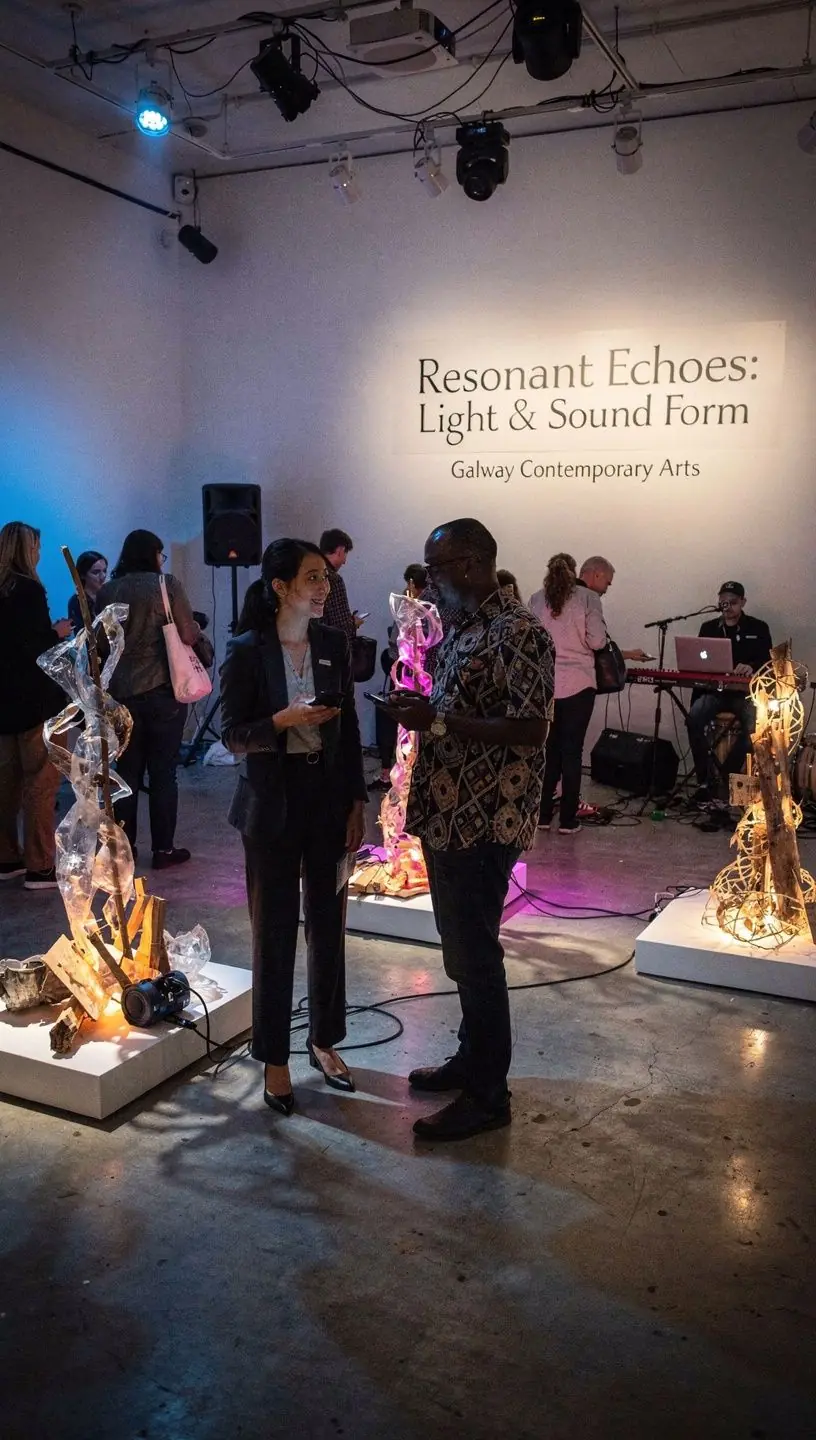
Thematic exhibitions center around a specific idea or concept, often reflecting societal issues or historical contexts. These exhibitions can be particularly powerful as they encourage visitors to think critically about the art in relation to the world around them. Research indicates that thematic exhibitions may attract a broader audience due to their relevance to current events.
4. Retrospectives
Retrospectives are comprehensive displays that focus on the career of a single artist, showcasing their evolution over time. These exhibitions typically require extensive planning, as they may feature works from various periods and styles. Experts in the field suggest that retrospectives can provide valuable insights into the artist's influences and contributions to the art world.
5. Pop-Up Exhibitions
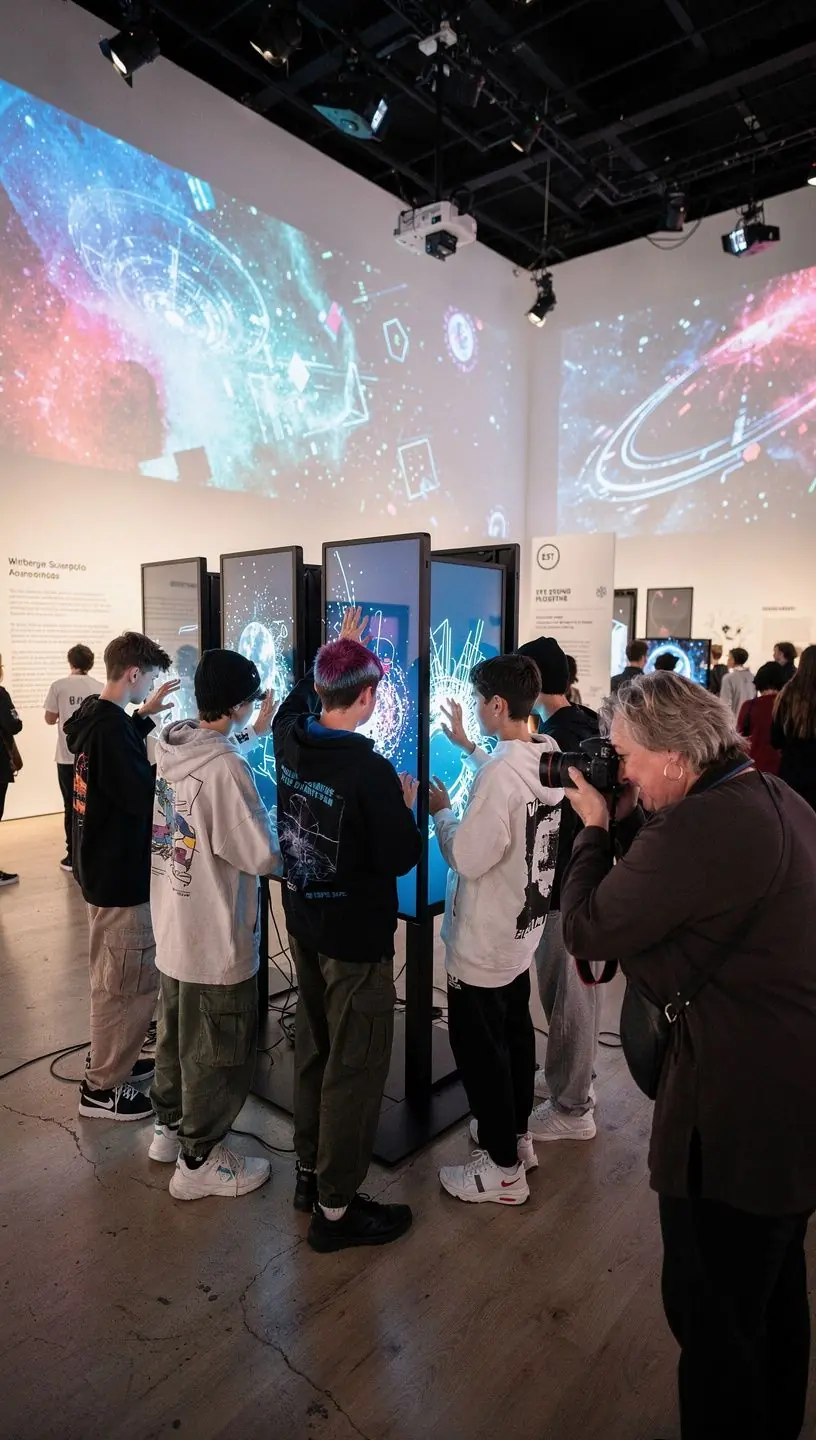
Pop-up exhibitions are temporary shows that often take place in unconventional spaces. They are typically characterized by their innovative approach to presentation and engagement. These exhibitions can be appealing to younger audiences, as they often incorporate interactive elements and social media integration. Many users report that pop-up exhibitions provide a refreshing alternative to traditional gallery settings.
What to Expect at an Art Exhibition
Visitors to art exhibitions can typically expect to engage with a variety of artistic mediums, including painting, sculpture, photography, and multimedia installations. Most exhibitions also include descriptive labels and guided tours, which help contextualize the works on display. It is advisable for attendees to take their time, as understanding the nuances of each piece may require thoughtful observation.
Conclusion
Art exhibitions are a vital component of the cultural landscape in Ireland, offering insights into both local and global artistic trends. By understanding the different types of exhibitions, visitors can better appreciate the diverse array of artistic expressions available to them. Whether attending a solo show or a thematic exhibition, engaging with art provides an opportunity for reflection and connection.