The Evolution of Gallery Spaces for Contemporary Art
Gallery spaces have undergone significant transformations over the years, responding to changes in art trends, audience engagement, and technological advancements. Understanding this evolution is crucial for both artists and art enthusiasts in Ireland seeking to navigate the contemporary art scene.
Understanding the Basics
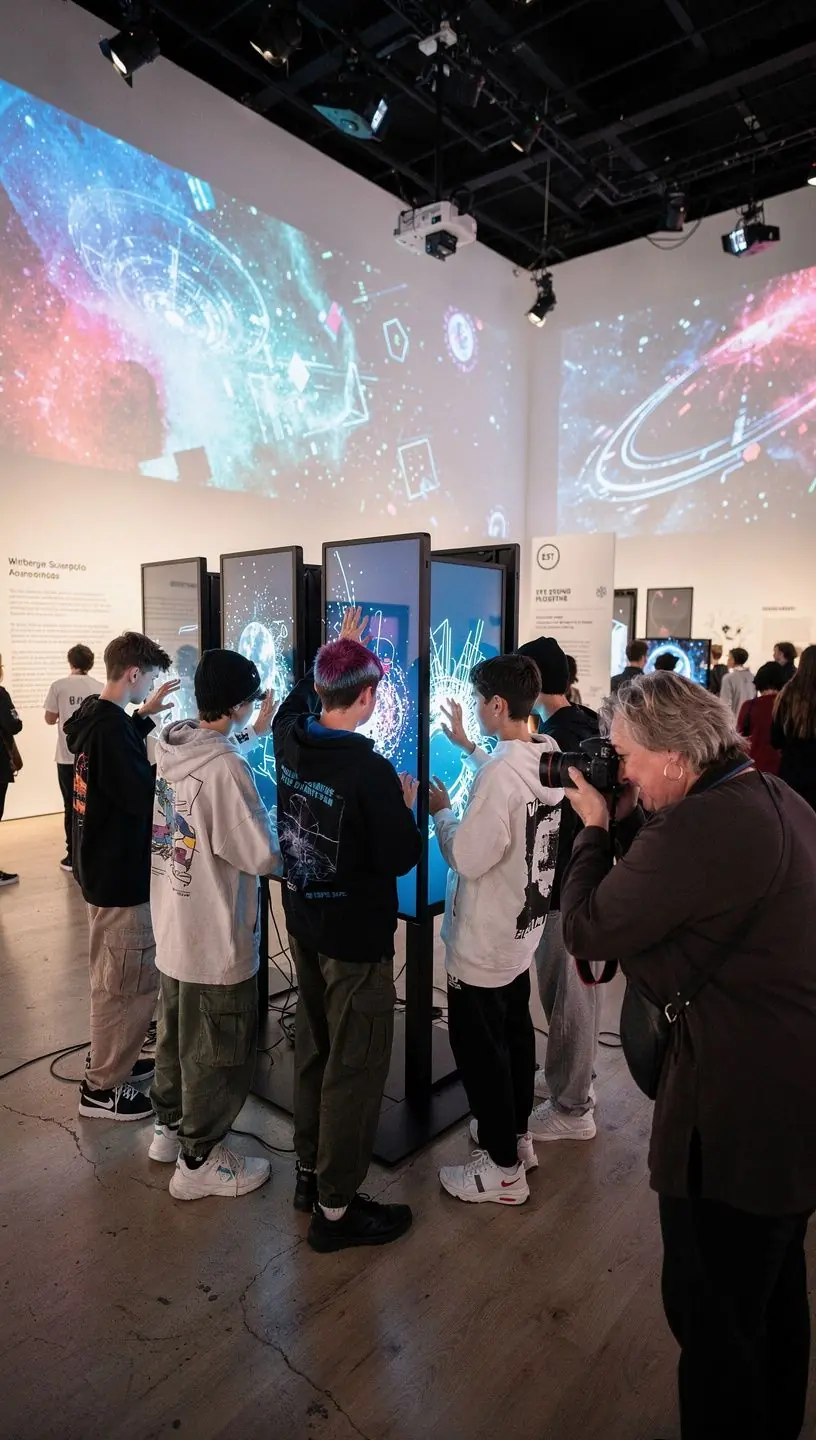
Historically, art galleries served as static spaces where artworks were displayed for passive viewing. However, according to research by the International Council of Museums, modern galleries are increasingly embracing dynamic exhibition formats that encourage interaction and engagement. This shift reflects a broader trend in contemporary art where audiences are not just viewers but active participants in the artistic experience.

"The traditional gallery model is shifting; today, spaces are designed to foster dialogue between the artwork and the audience." - Art Industry Experts
Trends Influencing Gallery Evolution
Several key trends have influenced the evolution of gallery spaces:
- Interactivity: Many galleries now incorporate interactive installations that allow visitors to engage directly with the art, enhancing their overall experience.
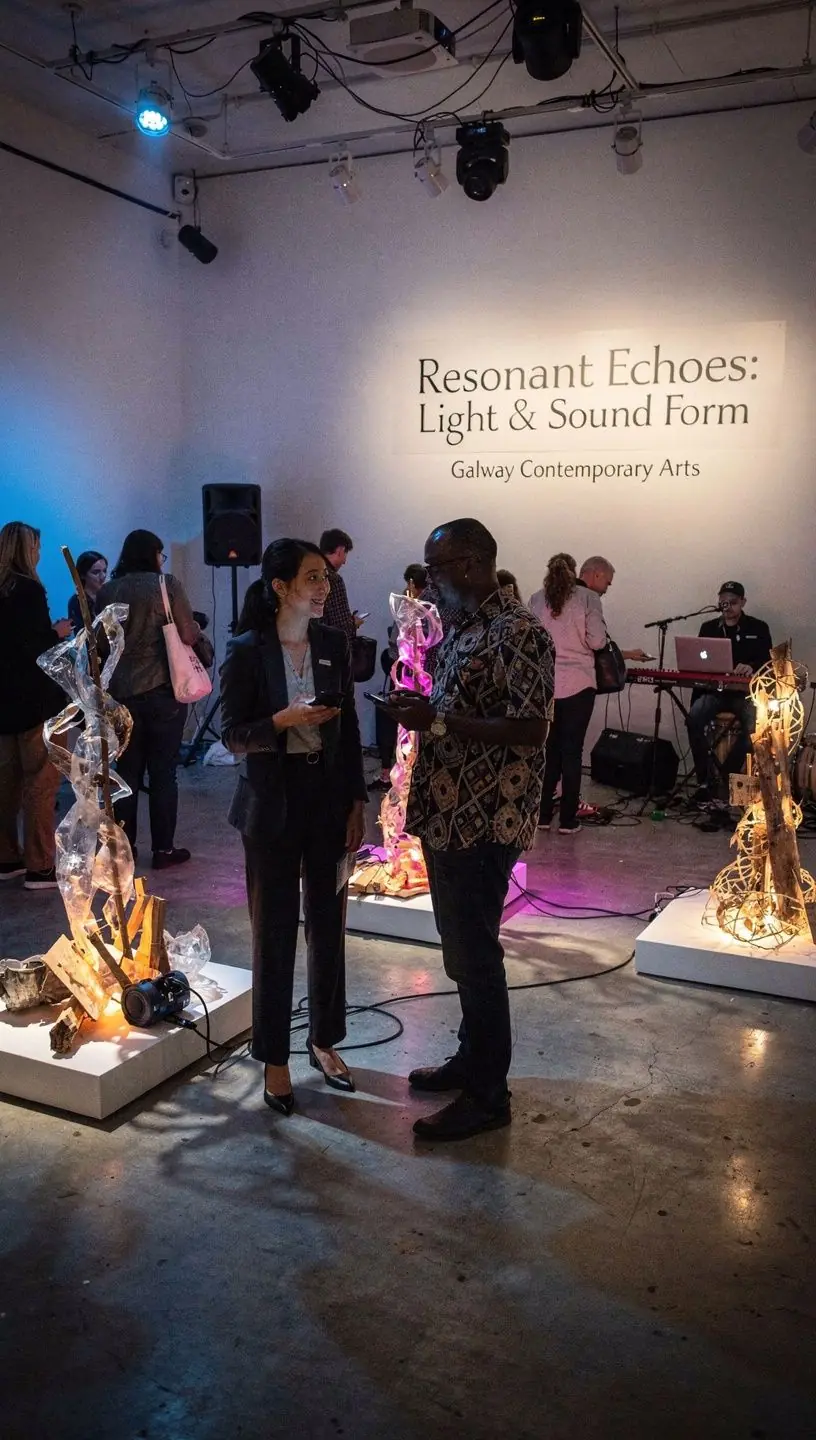
- Community Engagement: Local artists are often showcased to foster community connections. Many galleries report that this approach can increase visitor turnout by up to 40% during local artist showcases.
- Digital Integration: With the rise of technology, virtual exhibitions have become commonplace. Research indicates that galleries utilizing digital tools often see higher engagement rates and broader audience reach.
The Role of Local Artists
In most cases, galleries that highlight local artists create a sense of ownership within the community. According to a study by the National Art Gallery of Ireland, showcasing local talent can lead to increased investment in cultural initiatives and a boost in local tourism. Furthermore, galleries often provide platforms for emerging artists, helping to cultivate the next generation of creative voices.
Challenges and Limitations
While the evolution of gallery spaces presents many opportunities, it also comes with challenges. Establishing an interactive space typically requires significant investment in technology and design, which may not be feasible for all galleries. Moreover, some traditional patrons may find it difficult to adapt to the new formats of engagement, suggesting that galleries need to carefully balance innovation with their established audience's expectations.
Conclusion
The evolution of gallery spaces reflects broader changes in how art is perceived and experienced. By embracing interactivity, showcasing local artists, and integrating digital tools, galleries can create vibrant environments that foster community engagement and artistic exploration. As this trend continues, galleries must remain adaptable and open to innovation while also considering the diverse needs of their audiences.