The Importance of Community Involvement in Art Exhibitions
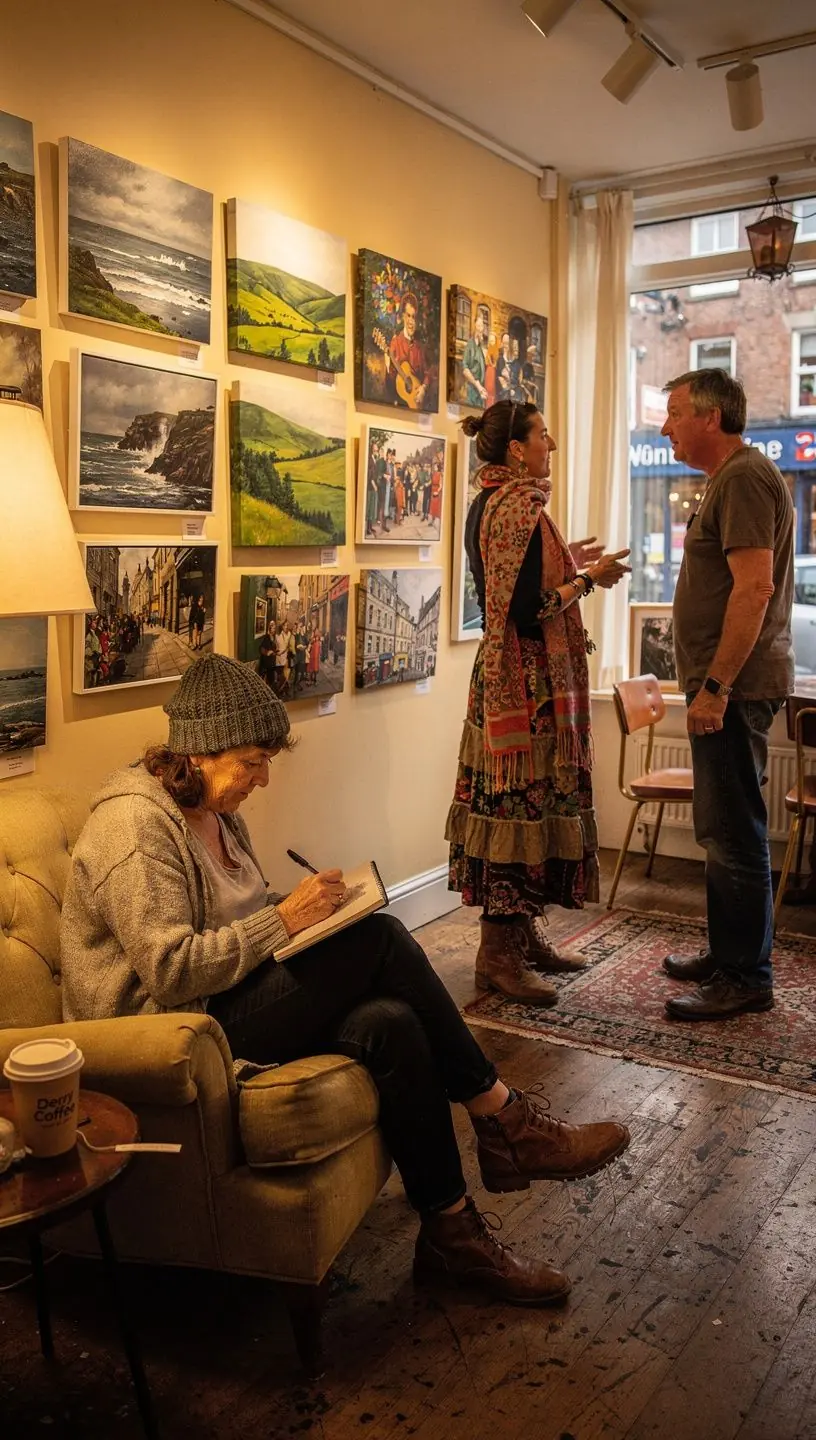
Art exhibitions serve as vital platforms for showcasing creativity and culture, but their success often hinges on the involvement of the community. Engaging local residents not only enhances the experience of the exhibitions but also fosters a sense of belonging and ownership among participants.
Understanding Community Involvement
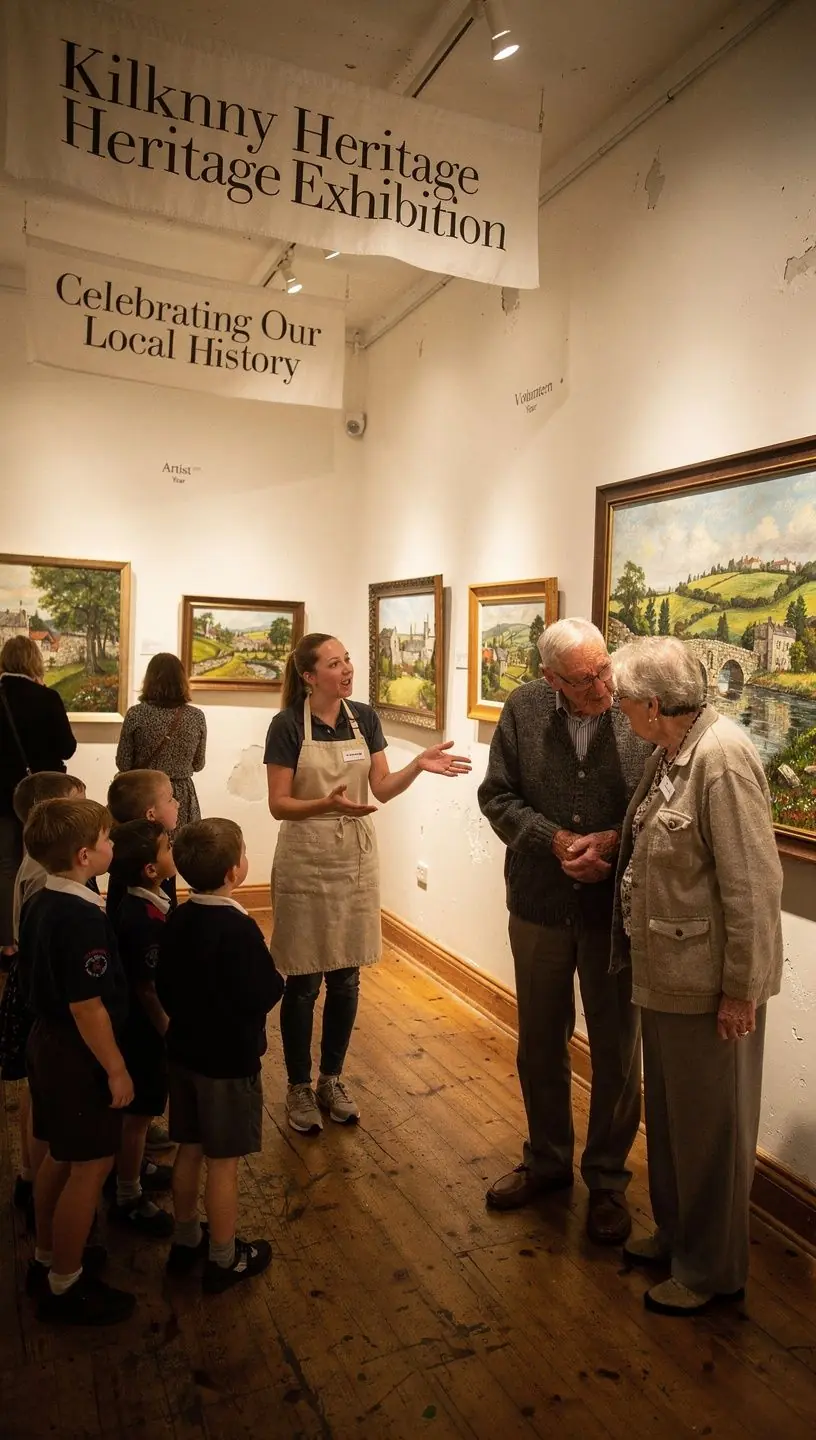
Community involvement in art exhibitions typically encompasses participation from local artists, attendees, volunteers, and organizations. According to research from the National Endowment for the Arts, communities that actively engage in artistic endeavors often see enhanced social cohesion and improved well-being among residents. This is supported by studies which show that art can serve as a medium for communication and connection within communities.
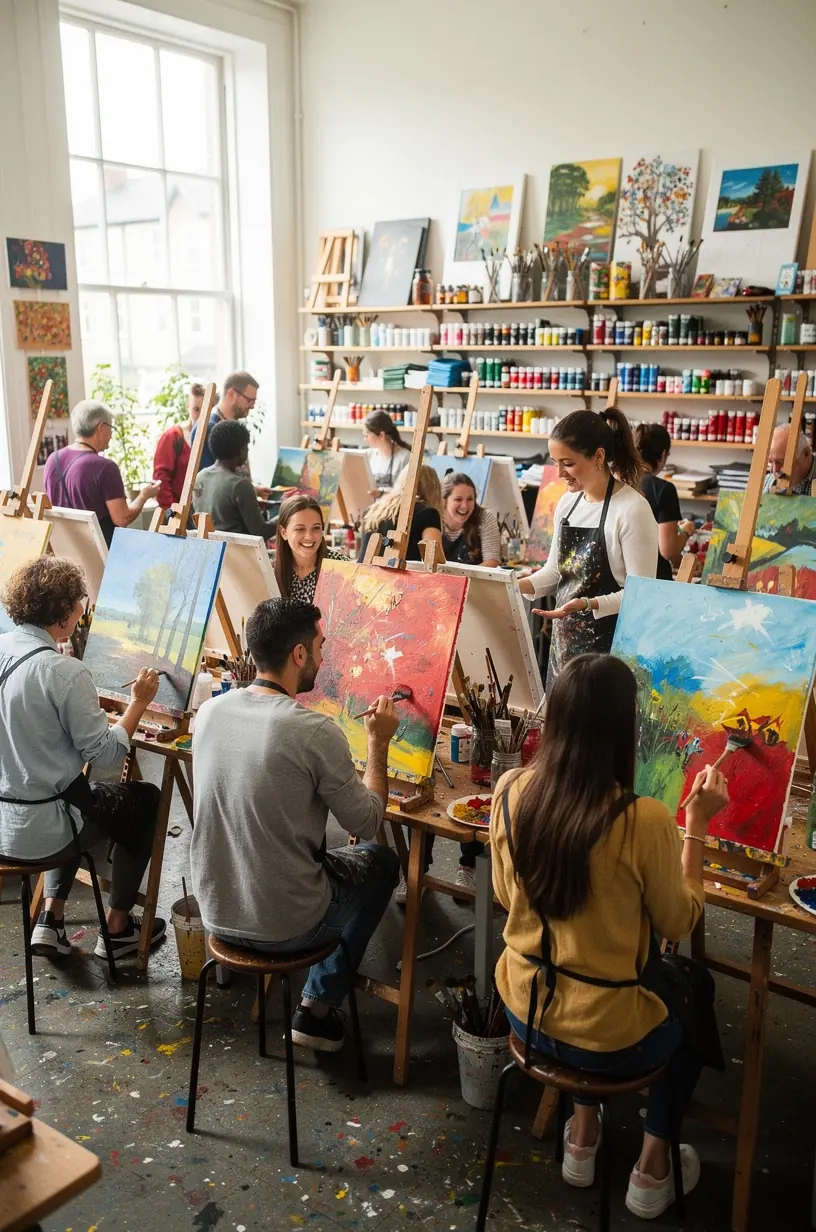
"Art has the power to unite us and foster relationships within our neighborhoods." - Local Art Advocate
Benefits of Community Engagement
- Increased Attendance: Exhibitions that involve the community typically attract larger audiences. Research indicates that local artists and community groups draw in attendees who might not otherwise engage with the arts.
- Diverse Perspectives: Collaborating with local artists and community members brings diverse viewpoints into exhibitions. This can enhance the richness of the art presented, making it more relevant to the viewers.
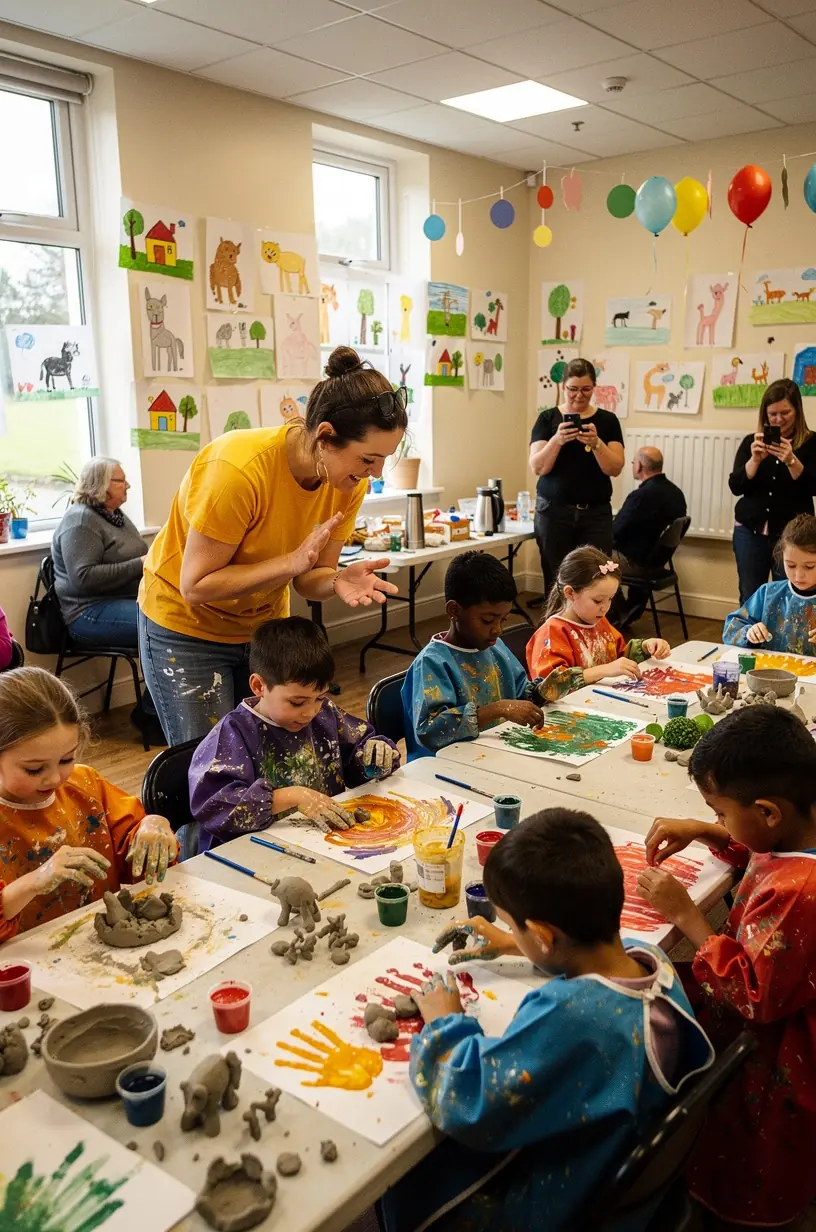
- Skill Development: Participating in art exhibitions can provide local residents with new skills, whether through workshops, volunteering, or simply by learning from artists. Experts recommend that such experiences can be valuable for personal and professional development.
How to Foster Community Involvement
To effectively engage the community in art exhibitions, organizers can implement several strategies:
- Host Workshops: Offering free or low-cost workshops can attract community members who are interested in learning about art. This approach not only educates but also encourages participation in future exhibitions.
- Open Calls for Artists: Inviting local artists to submit their work fosters a sense of ownership. This practice is commonly employed in galleries and has shown to lead to increased artist participation and audience engagement.
- Create Partnerships: Collaborating with local businesses, schools, and community organizations can enhance the reach and impact of exhibitions. Such partnerships often result in shared resources and increased visibility.
Challenges and Considerations
While fostering community involvement is beneficial, it is essential to acknowledge the challenges. Engaging a diverse audience often requires sustained effort and resources. Typically, this process requires 2-4 weeks of planning, outreach, and coordination. Additionally, organizers must be prepared to adapt to feedback and ensure inclusivity, which can involve a learning curve.
Conclusion
Community involvement in art exhibitions plays a crucial role in creating vibrant and meaningful experiences for both artists and audiences. By actively engaging local residents, organizers can enhance the overall impact of their exhibitions. While the process may demand time and commitment, the benefits—ranging from increased attendance to richer artistic expressions—are well worth the effort. Embracing community participation is not just about showcasing art; it is about building connections that enrich our cultural landscape.